Plethora: Why I Chose to Stay
There are seasons in life when doors open wide, beckoning you to leave. But sometimes the greater courage lies in staying put. In choosing home, you choose not just a place—but a purpose.
Through the years, I have been offered many doors to leave. In the mid-1990s, a chance to train in the United States. In the early 2000s, post-residency options in the UK and Australia. Not long after, a pathway to Canada through its provincial nominee program.
Each time, I paused. I weighed the possibilities carefully. And each time, I decided to stay.
It was never because the options abroad looked bleak. They were tempting. They promised more money, prestige, and what many would call “a better life.” But I knew there would always be trade-offs.
I asked myself where I wanted to be not just in five years but in twenty, and whether I could bear the costs of leaving behind home. The answer, always, was no.
Seeing the Plethora
Yes, I saw the plethora right before my very eyes. Many of my first cousins in the Arago clan had interracial marriages. I have nothing against that. But I recognized it as part of a broader global phenomenon—people seeking survival and posterity in a world where economic opportunities were unevenly spread.
Migration was not just about adventure; it was often necessity. For many families, these arrangements became a lifeline, a way to secure futures that the motherland seemed unable to guarantee.
In that light, my own decision to stay felt even more deliberate. I understood the push and the pull, the reasons behind the exodus. Yet I also knew that my own path did not have to mirror theirs.
Seasons of Doubt
I won’t pretend I was always rock solid. There were seasons of doubt, moments when I questioned if I had chosen the harder road.
I would meet contemporaries who flew home for their annual vacation. Over lunch or coffee, they would talk about their satisfaction with life abroad. On the surface, it seemed they had it all.
But I also knew what went unspoken—the exhaustion, the endless grind, the subtle ways of being treated as an outsider. They did not confess those burdens openly, but I understood them well enough.
Anchored by Family
One conviction held me steady: family. I remember hearing a pastor say, “God will bless you wherever you may be. It doesn’t matter if you stay or migrate.” That reminder freed us from the illusion that migration was the only path to provision or success. It gave us the confidence to choose home.
Staying meant we could enjoy the laid-back rhythm of the Philippines. After long hospital hours, I could come home not just to a house but to a family. I was not consumed by work to the point of losing myself.
That simple joy—time unpressured, presence unhurried—was worth more than any paycheck in a foreign land.
Shaped as a Doctor
Professionally, staying has never held me back. Medicine has become global. Advances in anesthesia, critical care, and perioperative medicine are shared through technology and research networks accessible from anywhere. Whether you are in Manila or Melbourne, you can keep pace.
What has shaped me more deeply than journals or seminars are the voices of colleagues who returned home. Some confessed they wished they had never left, if only opportunities had been available locally.
That candor, tinged with longing, affirmed what I already sensed: staying was not a loss but a quiet gain.
Wrestling with the Nation’s Flaws
Still, I am not blind to the frustrations of remaining here. Corruption, inefficiency, and systemic flaws glare at us daily. They wear you down.
Yet, I choose hope. I see each public reckoning as a painful but necessary turning, perhaps even God’s way of leading the nation toward righteousness.
And then there is what makes this land uniquely grounding: the Filipino concept of kapwa. It is more than community; it is a shared self. It binds us to each other in ways that no foreign context can replicate.
Abroad, I might earn more, but I would lose this rootedness.
Contentment in Contrast
The age of social media has only magnified the contrast. Scroll for five minutes and you will see contemporaries flaunting homes, cars, travels, and titles. In those moments, I ask myself: At what cost?
I know enough to recognize the trade-offs behind the shine. The long shifts. The loneliness. The relentless pressure to prove oneself.
Over time, my view of contentment has changed. In younger years, financial stability seemed paramount. Now, I see that money isn’t everything. Life is short. What endures is not the wealth accumulated but the time spent, the peace kept, the relationships nurtured.
The younger generation might call it YOLO. I call it choosing what matters most.
A Privilege, Not a Sacrifice
If a young doctor asked me today why staying matters, I would keep it simple: there is no place like home. Beyond income or recognition, there is the privilege of serving your own people. The privilege of speaking the same language, sharing the same struggles, and contributing to the slow but steady building of nationhood.
Looking back, I do not see my choice as a sacrifice. Sacrifice implies loss. What I have gained is far greater.
I was given the privilege to practice in the land that raised me, to raise children who know their roots, and to take part in the life of a nation still becoming what it can be.
Coming Full Circle
So, while many of my contemporaries had no choice but to join the exodus of talent—pulled abroad by necessity, not desire—I chose to remain. And I remain convinced: the contentment of being at home outweighs the allure of being anywhere else.
Perhaps this is what the story of my own clan has taught me. While many cousins chose paths that took them far from home, I chose to remain rooted here. Their choices were not wrong; they were part of a larger story of survival and hope that spans nations and generations.
But by staying, I claim a different kind of inheritance—one that ties my life’s work to the soil of my motherland. In serving here, I take part in the unfinished project of building a nation where future generations may one day no longer feel compelled to leave.
To stay is not to settle—it is to root, to build, and to belong.
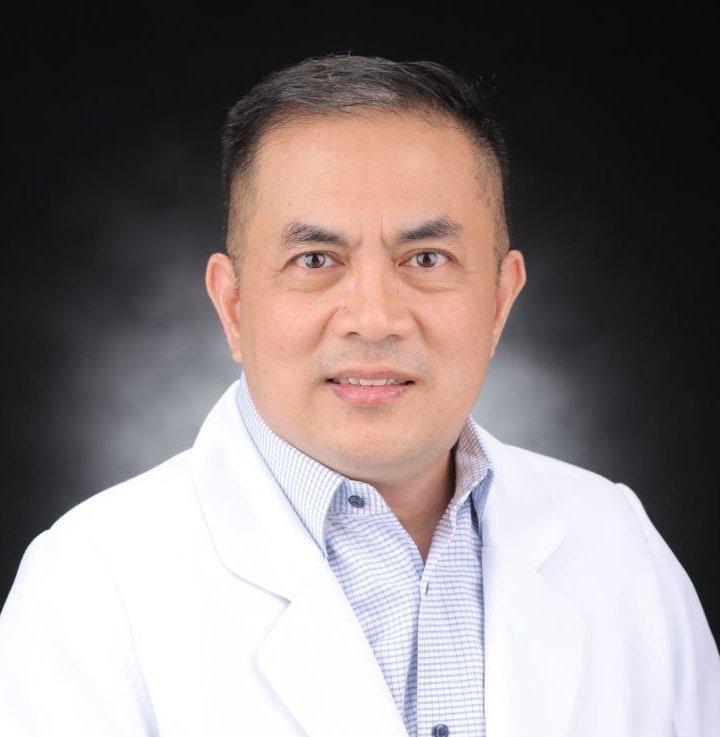
Dr. Joey Arago is an anesthesiologist practicing in Batangas City, Philippines. Through MedStories, he explores the human experiences behind medical practice and the meaningful choices that shape our lives.
One response
Very well said Doc Bro!! God bless you more!!